
Jammu and Kashmir carries a unique psychological burden
Calling for special awareness, action and treatmernt of Socio-mental pressure, on the Residents of India’s Crown-state, our Community Health expert *Dr. Naresh Purohit advocates for a comprehensive policy on the issue by Health Administration !
Bengaluru/Srinagar: Jammu and Kashmir carries a unique psychological burden. Issue of Mental  health is a pressing public health challenge in the State.
Decades of conflict, repeated natural disasters, economic uncertainty, unemployment, drug abuse and the lingering effects of the pandemic have left deep emotional scars across generations, said Dr. Naresh Purohit Advisor National Mental Health Programme.
As per the handout issued , Principal Investigator for the Association of Studies in Mental Care Dr Purohit was presenting his research report titled “Solutions to mental health agony in Jammu and Kashmir”at a convention on “Battling Mental Health Challenges ” at the National Institute of Mental Health And Neuro-Sciences (NIMHANS), Bengaluru.
Noted Disaster Mental Health expert Dr Purohit said that Jammu and Kashmir has nearly 120 psychiatrists and 40 clinical psychologists across government and private institutions, with mental health and addiction treatment facilities functioning in every district.
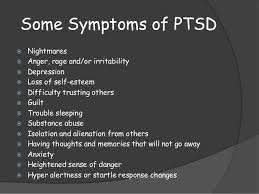
“But the number is too meagre for a union territory where stress related ailments like Post Traumatic Stress Disease (PTSD) exists in 99 percent patients,” he added.
 He stressed that mental healthcare cannot be judged solely by statistics. Success of mental health programme will not be measured by the number of psychiatrists on the payroll, but by the number of lives restored, families supported and silent suffering prevented.
He emphasised that the growing menace of substance abuse further underlines the urgency of strengthening mental health services. Addiction is not merely a law-and-order issue; it is deeply connected to psychological distress, social isolation and economic hardship. Treatment must therefore combine medical care with counselling, family support and community rehabilitation, he said.
“Integrating mental healthcare into primary health centres and training medical officers are equally important steps that can bring services closer to people.” he suggested
“However, infrastructure alone is not enough. Many people continue to suffer in silence because of social stigma. Families often hesitate to seek psychiatric help, fearing judgment from society. In rural and far-flung areas, specialist services remain difficult to access despite official availability. Follow-up care, counselling and rehabilitation also require sustained attention if treatment is to be effective.”he observed.
He averred that mental health deserves the same priority as physical health. Just as hospitals treat heart disease or diabetes without stigma, seeking help for depression, anxiety or addiction should become equally normal. Schools, colleges, workplaces, community leaders and religious institutions all have a role in creating awareness and encouraging early intervention, he added.
**Dr. Naresh Purohit-MD, DNB, DIH, MHA, MRCP(UK), is an Epidemiologist,  and Advisor-National Communicable Disease Control Program of Govt. of India, Madhya Pradesh and several state Health organizations. He’s the Principle Investigator – Association of Studies In Behavioural Science), Dr. Purohit is also Advisor-National Mental Health Program, Kidney Care and chief Investigaor to Hospitals Management Association of India.


Comments are closed.