
PR Perspective: Union Budget 2026 – A Step Towards Strengthening India’s Global Position.
Connecting the Union Budget-2026, presented by Finance Minister this Sunday, to PR community and its objectives, PR Guru, *Dr. Suresh Gaur underlines the long-time target for India- Viksit Bharat 2047.
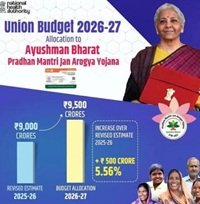
New Delhi: Friends, Viksit Bharat 2047 is India’s definitive vision to emerge 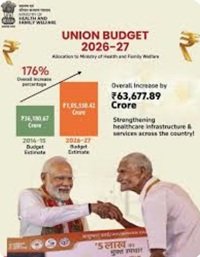 as a developed nation by 2047, marking a century of independence. This initiative is not merely a policy framework but a national mission to transform India into a $30–40 trillion economy. It places a profound emphasis on inclusive growth, innovation, sustainability, and the principles of good governance. The government has strategically identified key pillars-economic prosperity, social equality, technological advancement, and environmental sustainability to drive this historic surge. Through flagship programs like Make in India, Digital India, and Ayushman Bharat, the nation is actively promoting domestic manufacturing, digital literacy, and universal healthcare access. Furthermore, the vision prioritizes the empowerment of women, youth, and marginalized communities through targeted education, skill development, and entrepreneurship. To achieve this ambitious milestone, India is committed to maintaining a sustained GDP growth rate of 7–8% annually, supported by a massive focus on infrastructure development, renewable energy, and green growth.
Friends, Vision 2035 serves as the strategic roadmap for this mid-century journey, aiming to establish India as a global leader in technology and economic prowess. Building on the momentum of previous reforms, Vision 2035 drives transformative change across vital sectors such as healthcare, education, infrastructure, and manufacturing. The roadmap outlines critical targets, including achieving a $10 trillion economy, significantly increasing per capita income, and cementing India’s role as a primary engine of the global economy. With its strong emphasis on inclusivity and sustainability, Vision 2035 is designed to unlock unprecedented opportunities for businesses, in dustries, and citizens, ultimately contributing to India’s goal of becoming a developed nation by 2047, as outlined in Viksit Bharat 2047.
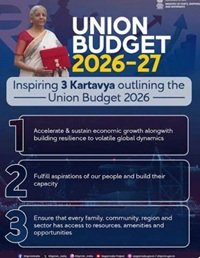
The Union Budget 2026, presented by Hon’ble Finance Minister Smt. Nirmala Sitharaman, represents a monumental step toward these goals. The budget remains steadfast in its focus on inclusive growth, poverty reduction, and the empowerment of marginalized sections of society. In a move that provides a strong narrative for Public Relations, the finance minister introduced the Three Kartavyas (Duties):
- Kartavya 1: Accelerate and Sustain Economic Growth – Focused on enhancing productivity, competitiveness, and building resilience against volatile global dynamics.
- Kartavya 2: Fulfill Aspirations of People – Aimed at building capacity and making every citizen a strong partner in India’s path to prosperity.
- Kartavya 3: Ensure Inclusive Access – Ensuring every family, community, region, a
![]() nd sector has the resources and opportunities for meaningful participation, perfectly aligning with the philosophy of ‘Sabka Saath, Sabka Vikas’.
nd sector has the resources and opportunities for meaningful participation, perfectly aligning with the philosophy of ‘Sabka Saath, Sabka Vikas’.
 nd sector has the resources and opportunities for meaningful participation, perfectly aligning with the philosophy of ‘Sabka Saath, Sabka Vikas’.
These Kartavyas aim to guide India’s economic and social policy, focusing on growth, empowerment, and inclusivity. From a public relations perspective, the budget has several key highlights that are likely to resonate with the public:
- Inclusive Growth and Poverty Reduction: The budget highlights the government’s commitment to inclusive growth, with a focus on uplifting the marginalized sections of society. The Mahatma Gandhi Grameen Swaraj Initiative is a cornerstone initiative aimed at empowering rural communities. “The government is committed to reducing poverty and promoting inclusive growth,” stated Finance Minister Nirmala Sitharaman. The initiative is expected to benefit millions of people in rural areas, providing them with access to basic amenities and opportunities for economic growth. “Initiatives like the Mahatma Gandhi Grameen Swaraj Initiative will empower rural communities and promote sustainable development.
- Healthcare and Biopharma: The budget allocates ₹10,000 crore for the Biopharma Shakti Mission, aimed at making India a global biopharma hub. This move is expected to boost India’s healthcare sector and create new opportunities for the country’s biopharma industry. “India is poised to become a global biopharma hub,” said a government spokesperson. This initiative creates a “Center of Excellence” image for India, promoting innovation and high-value employment for healthcare professionals. “Initiatives like the Biopharma Shakti Mission will create new opportunities for healthcare professionals and promote innovation.”
- Education and Skills: The budget focuses on education and skills development to empower the yout
![]() h. The National Institute of Hospitality is a key initiative aimed at promoting tourism and creating new opportunities. “The government is committed to creating a skilled workforce,” said Finance Minister Nirmala Sitharaman. The initiative is expected to provide training and employment opportunities to thousands of young people. “Initiatives like the National Institute of Hospitality will promote tourism and create new opportunities for young people.
h. The National Institute of Hospitality is a key initiative aimed at promoting tourism and creating new opportunities. “The government is committed to creating a skilled workforce,” said Finance Minister Nirmala Sitharaman. The initiative is expected to provide training and employment opportunities to thousands of young people. “Initiatives like the National Institute of Hospitality will promote tourism and create new opportunities for young people.- Tourism and Culture: The budget includes several initiatives aimed at promoting tourism and culture, including the development of eco-tourism trails and wildlife conservation efforts. These initiatives are expected to promote sustainable tourism and create new opportunities for local communities, enhancing India’s image as a responsible and culturally rich global destination.
- Manufacturing and Infrastructure: Several initiatives aim to promote domestic manufacturing and infrastructure development, including the Capital Investment Equipment (CIE) scheme and the Container Manufacturing Scheme. “India is open for business and investment,” said Finance Minister Nirmala Sitharaman. These initiatives are expected to promote economic growth and create new opportunities for businesses and industries, positioning India as a global manufacturing powerhouse.
- Energy Transition and Climate Action: The budget allocates ₹20,000 crore for Carbon Capture, Utilization & Storage (CCUS), aimed at promoting energy transition and climate action. This significant PR win on the global stage demonstrates India’s leadership in the “Green Transition,” making the country an attractive destination for ESG-focused investments.
- Financial Sector and Capital Markets: The budget focuses on promoting financial inclusion and capital market development with initiatives like the High-Level Committee on Banking for Viksit Bharat. “The government is committed to promoting financial inclusion,” said Finance Minister Nirmala Sitharaman. “Initiatives like the High-Level Committee on Banking will promote capital market development and create new opportunities for businesses and industries.”
- MSMEs and Entrepreneurship: MSMEs are the backbone of India’s economy. The budget allocates ₹10,000 crore for the SME Growth Fund, aimed at promoting MSMEs and entrepreneurship. “Initiatives like the SME Growth Fund will promote entrepreneurship and create new opportunities for MSMEs,” fostering a national spirit of self-reliance.
 h. The National Institute of Hospitality is a key initiative aimed at promoting tourism and creating new opportunities. “The government is committed to creating a skilled workforce,” said Finance Minister Nirmala Sitharaman. The initiative is expected to provide training and employment opportunities to thousands of young people. “Initiatives like the National Institute of Hospitality will promote tourism and create new opportunities for young people.
Shaping the Global Narrative: Overall, the Union Budget 2026 is a significant step toward achieving India’s growth story. From a PR standpoint, the budget is poised for a positive reception among key stakeholders, including farmers, entrepreneurs, and industry leaders. It represents a strategic leap toward India’s long-term growth story, prioritizing inclusive development and the empowerment of marginalized communities. By emphasizing healthcare, education, tourism, and manufacturing, the budget not only promotes domestic stability but also opens new vistas for global business.
The budget features several highlights likely to resonate with the public, notably the government’s commitment to financial inclusion and a reduced carbon footprint. As these initiatives move into the implem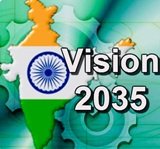 entation phase, transparent communication and proactive stakeholder engagement will be crucial in building public trust. By effectively narrating these achievements, the government can create a positive narrative around its policies and inspire confidence among investors, businesses, and the general public.
Furthermore, these proposals are designed to enhance India’s global competitiveness. The record ₹12.2 lakh crore capital expenditure allocation for infrastructure demonstrates a firm commitment to transforming India into a major global economic power. Ultimately, as PR Guru, I view this budget as a definitive roadmap toward achieving a $10 trillion economy by 2035. With India on track to become the world’s third-largest economy by 2028, the Union Budget 2026-27 serves as a vital pillar in the vision of Viksit Bharat a fully developed India by 2047.
—————————————–
*Dr. Suresh Gaur, PR Guru, The PR Alchemist, (Author, Blogger, StoryTeller, Poet). the world renowned PR G uru created magic through his over 200+ Blog Posts.
www.sureshgaurprguru.blogspot.com.


Comments are closed.