
Harvard Barred From Admitting Foreign Students
Trump’s Decision Impacts Indian Student Admissions……
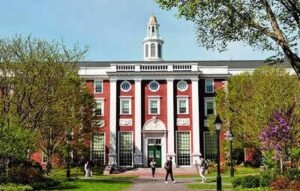 Washington : The Trump administration has recently taken a significant step by revoking Harvard University’s eligibility to admit foreign students. This decision was communicated by the Department of Homeland Security Secretary Kristi Noem through an official letter sent to Harvard. The move has sparked widespread discussions and concerns, especially among international students, including a large number from India, who aspire to study at prestigious American institutions like Harvard.
The reasoning behind this decision is linked to the U.S. government’s stringent immigration policies aimed at tightening regulations around student visas and university compliance. The administration alleges that Harvard has failed to meet certain criteria related to the monitoring and verification of foreign students, prompting the suspension of its authorization to admit them. This development is part of broader efforts by the Trump administration to reform immigration policies with a focus on national security and reducing illegal immigration.
For Indian students, who form a substantial proportion of the foreign student body in the United States, this announcement raises several concerns. Harvard has traditionally been a preferred destination due to its world-class education and research facilities. The suspension of admissions could limit opportunities for aspiring Indian students and disrupt their academic plans. Moreover, it casts uncertainty on the future of international students currently enrolled, although the government has clarified that the decision primarily affects new admissions.
This policy change is expected to impact not only Harvard but may set a precedent for other universities, potentially leading to stricter visa scrutiny and admission processes nationwide. Many educational experts and advocates have criticized the move, arguing that it could harm America’s reputation as a global hub for higher education and innovation.
It also raises questions about the long-term implications for bilateral educational ties between India and the United States. Indian students contribute significantly to the American economy and academia, and limiting their access could have diplomatic as well as economic repercussions.
In response, universities and student organizations are seeking legal recourse and engaging with policymakers to address the issues raised by the administration’s decision. Meanwhile, prospective students are exploring alternative options for their higher education plans.
This development marks a critical moment in the ongoing debate over immigration, education policy, and international relations under the Trump administration.

Comments are closed.