
All Delhi Metro stations reopen after CJP calls off Jantar Mantar protest
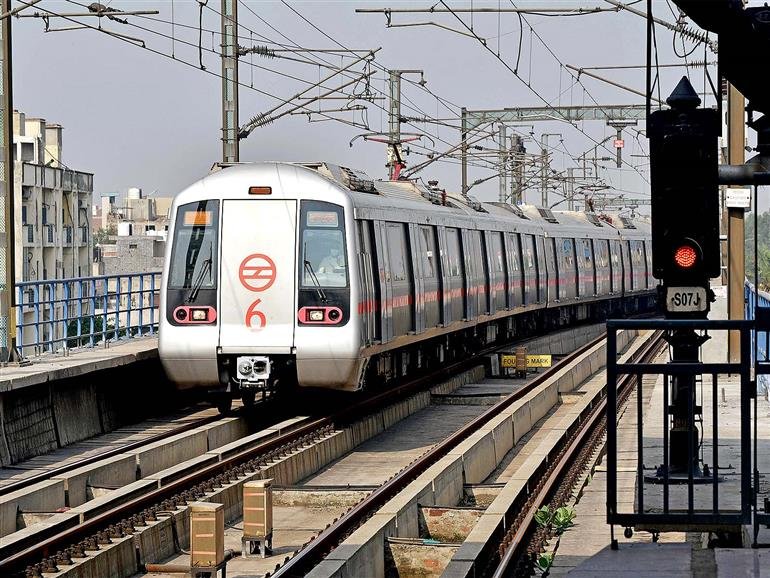 New Delhi : All stations of the Delhi Metro network were opened for passenger services on Sunday after the Cockroach Janata Party (CJP) called off its agitation at Jantar Mantar, ending days of security restrictions and staggered closures at 18 key central Delhi stations.
The Delhi Metro Rail Corporation (DMRC) said that both entry and exit gates at all stations are now open for passengers. “Service Update: All stations of the Delhi Metro network are open (both entry and exit) for passenger services,” DMRC said in a post on X.
The decision follows days of security restrictions and staggered closures at key stations, including Rajiv Chowk, Central Secretariat, Mandi House, ITO and New Delhi, causing major disruptions for commuters during peak hours.
The closed stations included Lok Kalyan Marg, Rajiv Chowk, Patel Chowk, Ramakrishna Ashram Marg, Barakhambha Road, Supreme Court, Seva Teerth, Janpath, Mandi House, Central Secretariat, ITO, Delhi Gate, Indraprastha, Khan Market, Jor Bagh, Shivaji Stadium, Jhandewalan and New Delhi.
The restrictions were lifted after security personnel and law enforcement agencies cleared barriers at major central Delhi stations following an assessment of the situation after the official end of the sit-in at Jantar Mantar.
Meanwhile, internet services have also been restored at the Jantar Mantar protest site and neighbouring areas of Central Delhi after the CJP announced the withdrawal of its agitation.
The administration had imposed mobile internet restrictions in the area for several days as the youth-led protest over NEET-UG examination irregularities grew in numbers. The CJP said it withdrew the agitation in “good faith” after receiving assurances from the government on its demands.
“Cockroach Janta Party declares that we withdraw the agitation in good faith, with the understanding that the agreed-upon terms will be executed within the agreed-upon timelines,” CJP Chief Spokesperson Saurav Das said. The development came after Dharmendra Pradhan resigned from the Union Education Minister’s post following over a month-long protest, including the CJP’s agitation at Jantar Mantar and a 26-day hunger strike by activist Sonam Wangchuk.
The CJP said the Central government had agreed to provide suitable compensation to the families of NEET aspirants who died by suicide and assured the withdrawal of FIRs lodged against protesters across the country. Union Minister JP Nadda said the government had considered and accepted the demands raised during talks on reforms in the examination system and other issues related to the protests.
He also said the government would carefully examine the outfit’s five-point charter on examination reforms and take necessary steps after discussions. Following Pradhan’s resignation, newly appointed Union Education Minister Pralhad Joshi said he would fulfil the responsibility with “complete humility and responsibility.” Joshi was given the additional charge of the Education Ministry after President Droupadi Murmu accepted Pradhan’s resignation.


Comments are closed.