
30 Indian fishermen repatriated from Sri Lanka, return journey underway
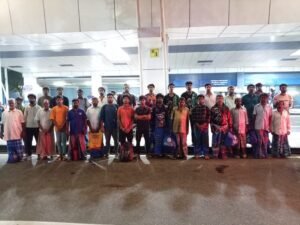 Colombo; Thirty Indian fishermen were repatriated from Sri Lanka on Tuesday and are currently on their way back home, the Indian High Commission in Colombo announced. Sharing the update on X, the Indian mission said, “30 Indian fishermen were repatriated from Sri Lanka today and are on their way home.” The detention of Indian fishermen by Sri Lankan authorities has been a recurring issue, often arising from allegations of crossing the International Maritime Boundary Line (IMBL) in the Palk Bay and Palk Strait region. The matter remains a long-standing concern rooted in fishing disputes, with regular diplomatic engagement by Indian authorities and appeals from the Tamil Nadu government contributing to periodic releases and repatriations. Earlier, on March 14, a group of 14 Indian fishermen was repatriated from Sri Lanka and returned to Chennai after being detained by the Sri Lankan Coast Guard for alleged maritime boundary violations. Their release was facilitated through diplomatic intervention by the Indian High Commission.n subsequent developments, nine Indian fishermen were repatriated on March 20, while three others were sent back on March 17. In early March, a Sri Lankan court ordered the release of eight fishermen from Rameswaram, who had been arrested on January 13 for alleged IMBL violations. However, two others in the same case were sentenced to imprisonment and fines, while seven fishermen were kept in a special camp pending repatriation. The issue had also drawn attention in February when Tamil Nadu Chief Minister M. K. Stalin urged the Central government to expedite the return of Indian fishermen released by Sri Lankan courts. His appeal included cases involving 12 fishermen from Mandapam and Mayiladuthurai who had been arrested between late 2025 and early 2026, with some later shifted to detention centres following court orders.The matter of fishermen crossing the maritime boundary is frequently raised during bilateral discussions between India and Sri Lanka, with both sides emphasising the need for a “humane approach” while also exploring long-term solutions such as alternative livelihood options and improved boundary management mechanisms.
